
Exploring off-ball tactics
The user mentioned a Chinese phrase that translates to "The real tactics are hidden/off the ball," suggesting they might want to discuss football tactics and off-ball movement. It seems relevant to soccer or basketball, so maybe I can provide insights on those tactics. I should ask a clarifying question and share examples like pressing triggers, spacing, and counterpressing. I could also touch on training drills that improve off-ball play and relevant analytical frameworks. Let’s explore this together!Video Analysis of Off-ball Tactics
I need to provide a concise method for video analysis focused on off-ball tactics. I can create a bullet list of key aspects to look for, such as spacing, player movements, and pressing triggers. It might be helpful to suggest next steps, like asking if the user wants examples from specific teams. I should keep formatting light, use bullets effectively, and offer training or analysis suggestions afterward. Then I’ll ask which sport or team they are referring to!Defining Off-ball Tactics
I want to define off-ball roles in both possession and out of possession contexts. For the possession team, I’ll highlight spacing, zone occupation, and counterpressing shapes, while for the defending team, I’ll touch on compactness and pressing traps.
Key concepts include width, decoy runs, timing, and weak-side positioning. I can mention transitions like rest offense and defense structures, as well as relevant metrics to track. I should also include drills like rondos and provide a video analysis checklist to summarize the key aspects!Identifying Example Teams
I need to mention example teams like Guardiola, Klopp, Ancelotti, and De Zerbi. First, I'll ask which sport the user is referring to—football/soccer, basketball, etc. If they choose soccer, I can offer to break down a match or design a session in a concise way. I'll prepare a list of top six bullets to summarize key aspects, then follow up with a short question to keep the conversation going. Let's keep formatting light!
说到点子上了。比赛的大部分价值,确实发生在“无球”的那几秒。
- 进攻端无球:站位层次(宽度/深度/五纵向通道)、三人配合与墙角、牵制与假跑、半空间占位、弱侧埋伏与背身卡位、轮转与错位制造
- 防守端无球:紧凑度与纵向错层、遮挡传球线路(cover shadow)、压迫触发点与陷阱、逼线到边、回收与保护肋部、门将与最后一道“休息防守”结构
- 转换瞬间:反抢的第一步与回撤路线、堵通道优先于抢球、反击出口的预置(rest offense)与控风险的“休息防守”(rest defense)
- 时间与节奏:起跑时机>速度;插上的“盲侧”与对手视野外的启动;二点球与第二波连续动作的占先 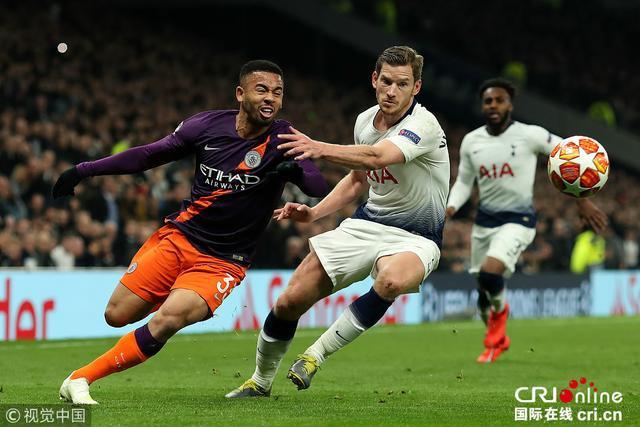
- 原则优先于套路:优先级顺序(安全—推进—威胁—终结)、位—人—球三者的取舍;读对手的重心与自由人定位
- 评估与训练:PPDA/压迫强度、身后接球次数、弱侧利用率、线路穿透(packing)、xT/OBV;配合约束的rondo、位置游戏、三人跑位与反抢脚本化演练
如果你愿意,我可以:
- 以一支队/一场比赛为例,逐帧拆“无球”细节;
- 给一周训练微循环,专攻无球站位与转换;
- 针对你们现有人员,定制无球原则与简单口令。你更关注哪项?是哪项运动/哪支队?